
Three Common Sleep Problems and the Products That Can Help
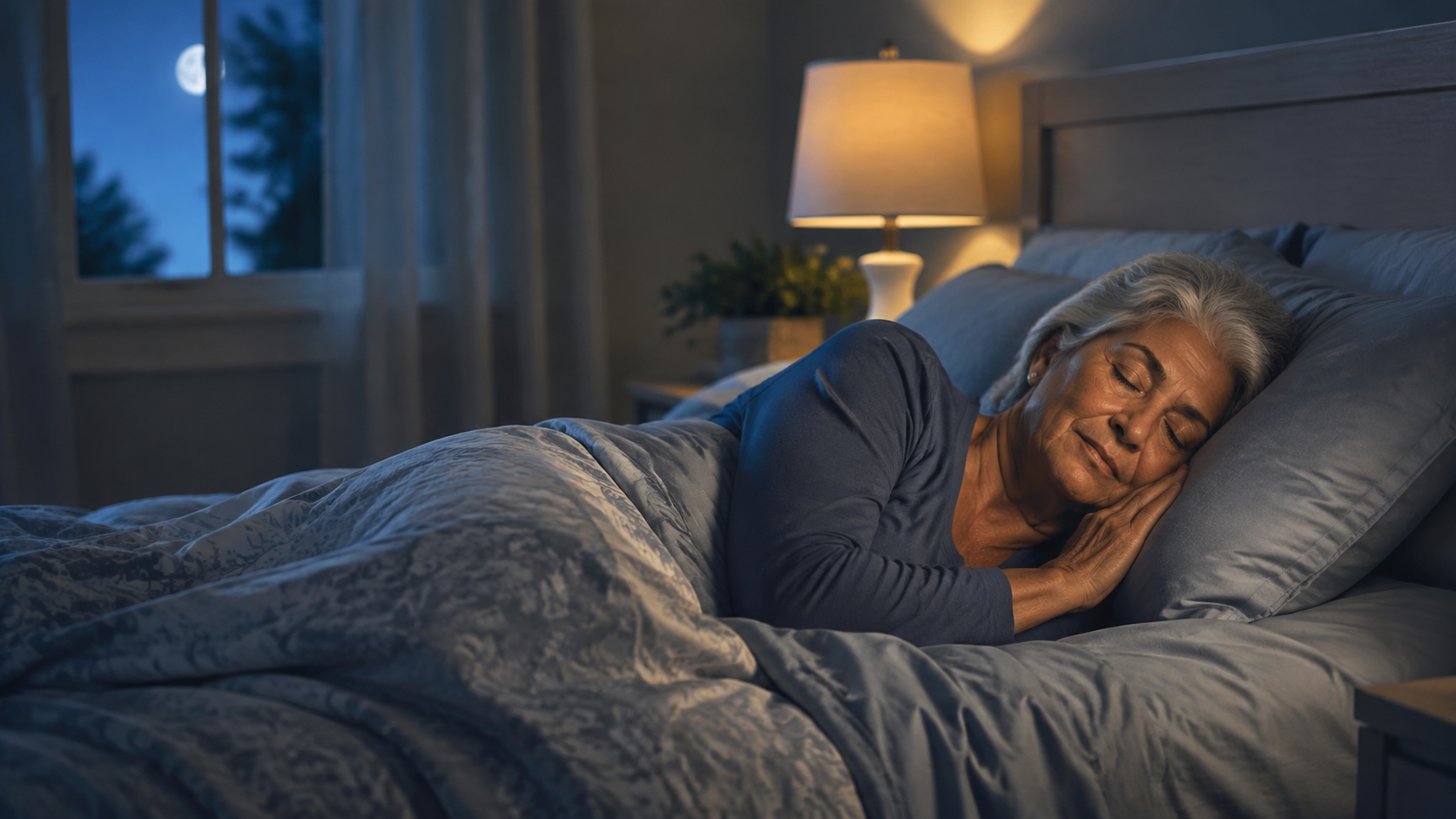
Having trouble sleeping? Here are some products that may help…along with some that probably won’t.
Everyone has to lie in bed counting sheep sometimes, and insomnia can worsen with age. Many products on the market claim to be able to help us catch those Z’s. Here are three common sleep issues and tips for solving them, with or without the latest technology.
Problem 1: Trouble falling asleep.
Potential Solutions: We’re all familiar with tried-and-true strategies for improving your odds of getting a good night’s sleep (see sidebar). Can blue light blocking glasses help? There’s evidence that wearing blue light glasses in the hours before bedtime, especially while using screens, help the body cue into a night-time rhythm. The best blue light glasses are durable, lightweight, unobtrusive, and stylish.
What about grounding blankets, sheets, and mattress pads? These new “earthing” products, offered by several manufacturers, look and feel like regular sheets and blankets, with a cord that connects to the grounding port of a wall electrical outlet. They advertise that they will connect you to the Earth’s electrical field, promoting deep relaxation, reduced inflammation, and reduction of free radicals. None of those claims have studies backing them up, but grounding blankets and sheets may indeed promote sleep, according to a few small studies. The most-cited one is a small 2004 pilot with just 12 subjects, which found that sleeping grounded via a mattress pad helped normalize cortisol rhythms and improved subjective sleep quality. A more recent 2025 randomized controlled trial with 60 participants found reduced stress, insomnia severity, and daytime sleepiness after about a month of nightly grounding pad use. Starting at around $115 and up, grounding sleep products could be worth a try for those who are curious and looking for new, side-effect-free ways to improve sleep quality.
Problem 2: Contact dermatitis or acne from sweaty sheets
Potential Solutions: The universal consensus on how often to wash your sheets is once a week. After you spend hours in them each night, sheets collect dead skin, body sweat and oils, dust, pet hair, and other allergens. These cause skin problems in some people and respiratory issues in others. If you’re having trouble sleeping and aren’t sure of the cause, washing your sheets more often could help. Having more sets of sheets on hand enables more frequent washes.
What doesn’t help? Probably the trendy copper- and silver-thread sheets marketed to kill germs while you sleep. These minerals have anti-microbial properties and are showing up in pillowcases, sheets, gloves, and masks for sleep. They probably do kill some germs, but “they’re no match for the power of soap, hot water, and agitation,” according to Wirecutter. And at least one manufacturer of silver-thread sheets still recommends washing them at least every 10 days.
Problem3: Restless Legs Syndrome (RLS), a neurological condition that causes a desire to move the legs. It often presents in the evening at bedtime, and tends to worsen with age
Potential Solutions: Magnesium and CBD (the hemp-derived cousin to THC) products are available to ease the peculiar discomfort of RLS. The evidence for magnesium supplements for RLS is promising but still limited. A 2024 study found that 200mg of magnesium citrate daily for 8 weeks significantly reduced RLS symptom scores and improved quality of life, but the sample size was small (12 patients). In other studies, the benefit appears strongest in people who are actually magnesium deficient. When considering magnesium supplements–which come in pills, teas, powders, and tinctures–bear in mind that doses above 350mg/day increase the risk of GI side effects like diarrhea. Check for third-party testing certifications, like from NSF, when buying supplements. As for topical magnesium sprays, they're marketed as avoiding the digestive side effects of oral forms, but there's no clinical trial evidence they work to alleviate RLS.
The evidence for CBD is even thinner, mostly anecdotal and early-stage. There is no FDA-approved CBD medication or dosage for RLS, though anecdotal reports suggest it may reduce symptoms for some people. Tinctures are absorbed relatively quickly under the tongue, while topical creams and balms provide more localized relief to the legs. So, while no strong evidence exists for either magnesium or CBD products to treat RLS, the nature of the condition itself remains mysterious to scientists; we still don’t know what causes the chronic condition. If you read good reviews and experience a positive (possibly placebo) effect, we’ll wait for the research to catch up.
There’s no cure for RLS, but there are many homeopathic tips. Avoiding caffeine, alcohol, and sugar close to bedtime can help – and may help anyone sleep better, whether or not they’re among the 7% of all people who experience RLS. Getting enough exercise during the day can also help. Iron deficiency can also contribute to RLS. Talk to your doctor before taking any iron supplements. For people with other conditions of which RLS is a symptom, like kidney disease or diabetes, other medications may alleviate the feeling of restless legs.
Courtesy of: Society of Certified Senior Advisors: Three Common Sleep Problems and the Products That Can Help
Image: ChatGPT