
Avoiding Common Pitfalls in Dementia Care
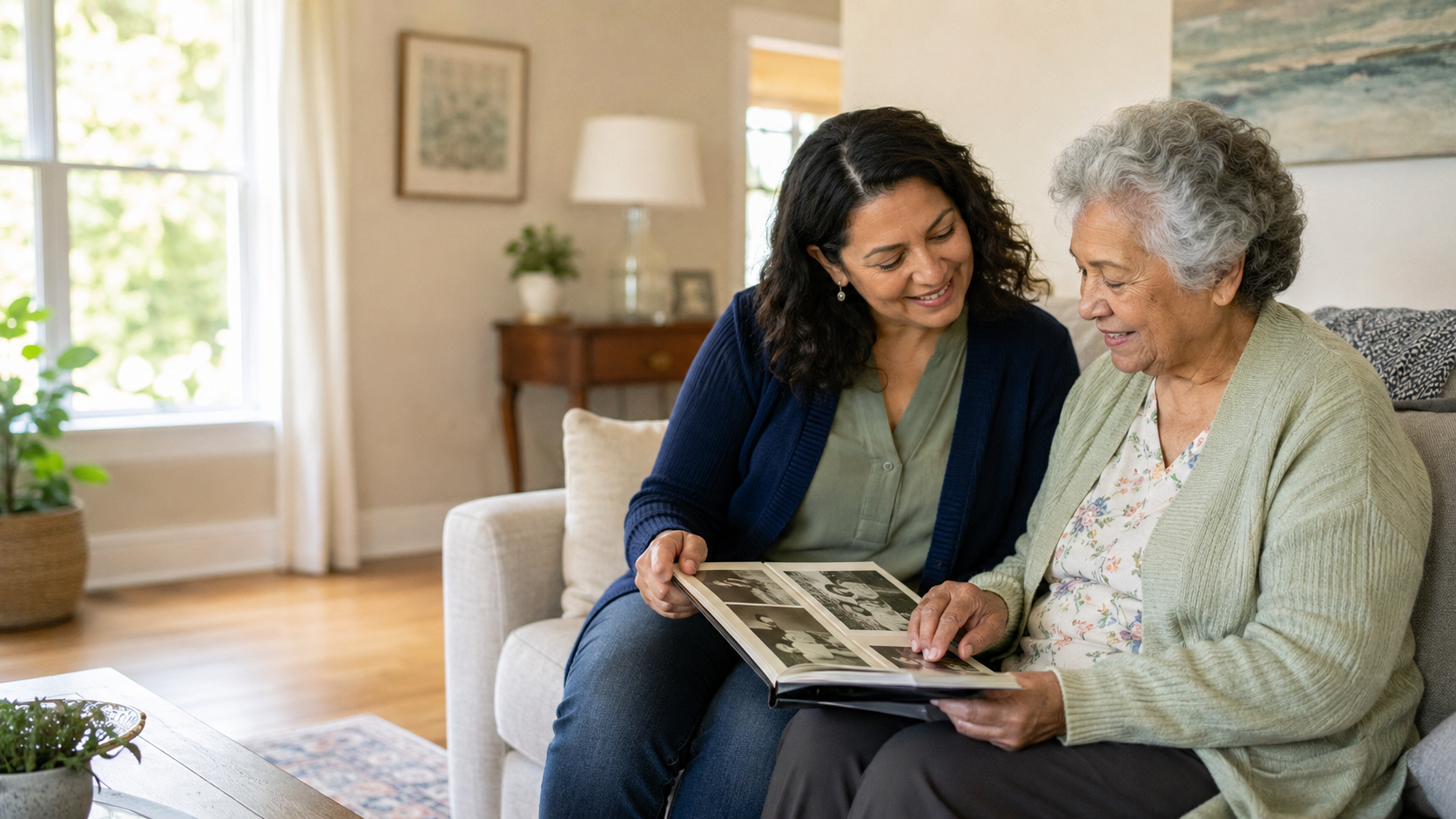
Supporting someone living with dementia may be one of the most significant roles you will ever take on. Whether you are a family member or a professional working in memory care, you know that every day brings a new set of challenges and small victories.
The truth is, care partnering is a skill that takes time to learn. Even with the best intentions, it is very easy to fall into habits that make your day harder than it needs to be. We call these "pitfalls": common mistakes that can lead to frustration for both you and your loved one or resident.
The good news? Most of these pitfalls are easy to fix once you know what to look for. By making a few small shifts in how you communicate and how you manage your day, you can create a much calmer, more positive environment.
Let’s look at some of the most common pitfalls in dementia care and how you can avoid them.
The Logic Trap and Communication Hurdles
One of the most frequent mistakes care partners make is trying to use "logic" to solve a problem. It’s natural to want to correct someone when they say something that isn't true. For example, if your dad says he needs to get ready for work: even though he retired twenty years ago: your first instinct might be to say, "Dad, you don't work anymore. You retired a long time ago."
In the world of dementia, logic often doesn't work. In fact, arguing or trying to "win" with facts usually leads to agitation and hurt feelings. To the person living with dementia, their reality is very real. When you contradict them, it can feel like you are being mean or dismissive.
Instead of correcting them, try to step into their world. This is often called "validation." If your dad thinks he needs to go to work, you might say, "You always worked so hard. What was your favorite part of the job?" This acknowledges his feelings and redirects the conversation without a confrontation.
Another common pitfall is using complex language. As dementia progresses, the brain has a harder time processing long sentences or multi-step instructions. If you say, "Let's go upstairs, get your blue sweater, put on your shoes, and then we can go to the store," it’s likely they will only remember the first or last thing you said.
To avoid this, keep it simple. Give one instruction at a time. Wait until they have finished one task before moving to the next. Use a calm, steady voice and keep your sentences short. It makes a world of difference.
Overlooking the Power of Routine and Environment
We often underestimate how much the physical environment affects someone with memory loss. A house that feels "normal" to us might be overwhelming to them. Too much noise, bright patterns on rugs that look like holes, or cluttered spaces can cause significant anxiety.
A major pitfall is having an unpredictable schedule. People living with dementia thrive on routine. When they know what to expect next, they feel safer and more in control. If lunch is at noon every day, their body and mind start to prepare for it. If you constantly change the time they eat, bathe, or sleep, it can lead to confusion and "sundowning" (increased agitation in the late afternoon or evening).
Try to keep a consistent daily rhythm. You don't have to be a drill sergeant, but having a predictable flow to the day helps everyone stay calm.
Safety is another area where small mistakes can have big consequences. As balance and spatial awareness change, things like loose rugs or poor lighting become major trip hazards. Take a walk through your space and look at it through their eyes. Is the path to the bathroom clear? Is there enough light? Removing these simple "pitfalls" can prevent a lot of stress and potential injury.
Taking It Personally and Forgetting Yourself
This might be the hardest pitfall to avoid. When a loved one says something hurtful, or a resident becomes aggressive, it feels personal. It’s easy to feel like they are doing it on purpose or that they don't appreciate all the hard work you are doing.
It is so important to remember: It is the brain changing, not the person.
Dementia changes the brain’s ability to regulate emotions and filters. They aren't trying to be difficult; they are trying to navigate a world that doesn't make sense to them anymore. When you can separate the person from the symptoms, it becomes much easier to respond with patience instead of anger.
However, you can only stay patient if you are taking care of yourself. The biggest pitfall for any care partner is trying to do everything alone.
Neglecting your own health, sleep, and social life leads straight to burnout. And when you are burnt out, you are much more likely to make mistakes or lose your temper. Seeking help is not a sign of weakness; it’s a vital part of being a good care partner. Whether it’s asking a family member to step in for a few hours, using an adult day program, or hiring professional help, make sure you are getting the "respite" you need.
The Path Forward: Education and Support
Avoiding these pitfalls doesn't happen overnight. It takes practice, and some days will be better than others. The most important thing you can do is keep learning. The more you understand how dementia affects the brain, the more tools you will have in your toolkit to handle whatever comes your way.
That’s why professional training can be so helpful. It gives you the chance to step back, look at the big picture, and learn proven strategies from people who have been there. Whether you are a professional looking to sharpen your skills or a family member looking for a better way to connect with your loved one, you don't have to figure it all out on your own.
By focusing on connection instead of logic, keeping your environment simple, and making sure you are supported, you can move away from the pitfalls and toward a more peaceful experience for everyone involved.
You’re doing a great job. Remember to be as kind to yourself as you are to those you care for.
Regina Foster
Gerontologist | Certified Alzheimer’s Disease & Dementia Care Trainer (NCCDP) | Speaker & Consultant | Training Professional and Family Care Partners in Person-
Image: ChatGPT