
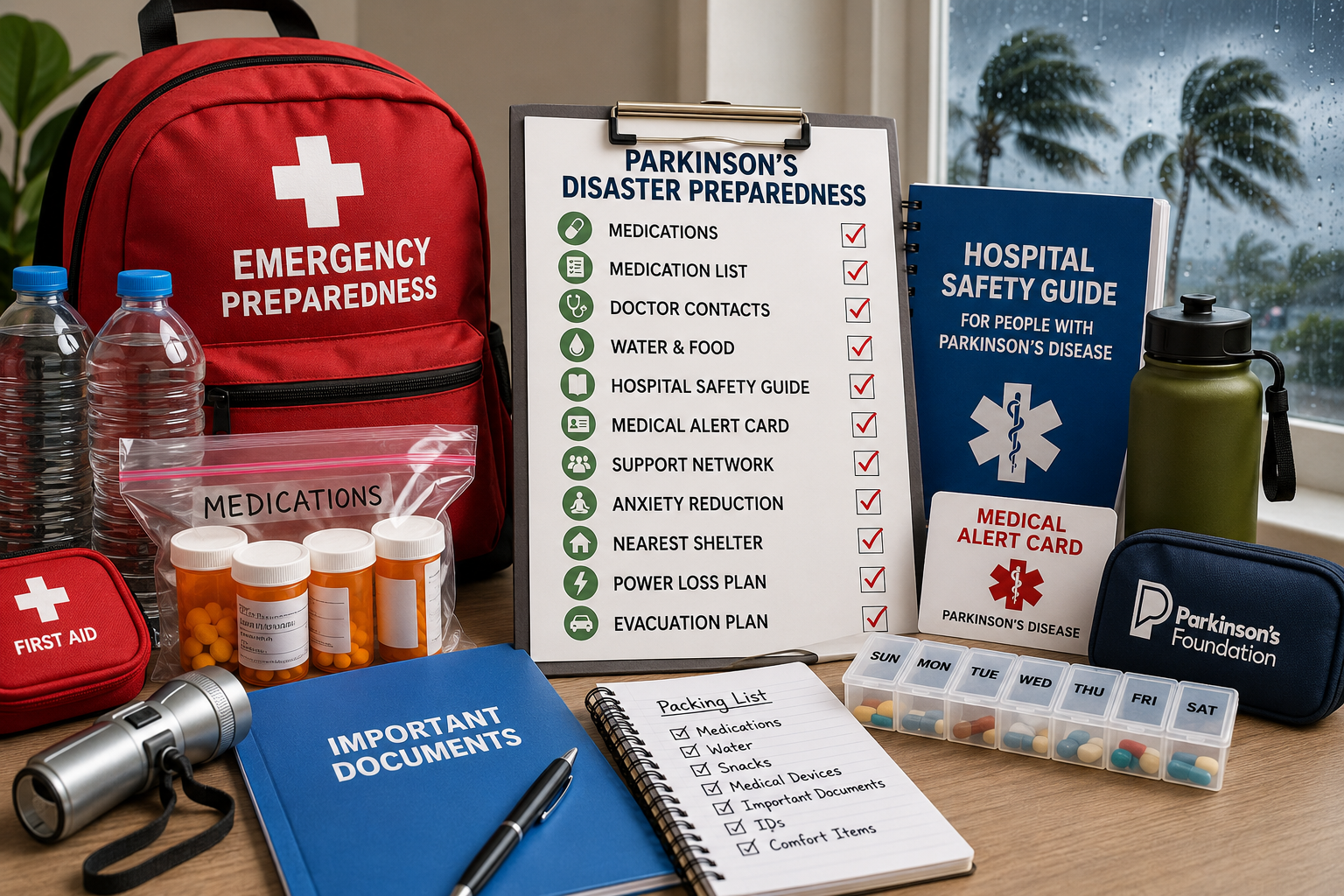
Extreme Weather Emergency Preparedness
Hurricanes and severe weather can be especially challenging for people living with Parkinson's disease, but a little preparation can make a big difference. Learn practical tips to help keep yourself or a loved one safe, organized, and ready before the next storm.

Here’s How Americans Can Help Protect Themselves and Medicare
Medicare fraud costs billions each year—but a few simple precautions can help protect both your personal information and your healthcare benefits. Learn how to spot common scams, safeguard your Medicare card, and report suspicious activity…

5 Surprising Causes of Balance Problems in Adults 50-Plus
Feeling unsteady or dizzy isn't always "just part of getting older." Learn about five often-overlooked conditions that can affect balance, what warning signs to watch for, and when it's time to talk with your doctor…

New Study Finds 61% Reduced Dementia Risk Among Hearing Aid Users Under 70
New research suggests that treating hearing loss earlier in life may help support long-term brain health and lower the risk of dementia.

Ask These Ten Questions to Save Money on Prescriptions
Prescription costs can add up quickly, but asking the right questions may help lower your next pharmacy bill.

New Alzheimer’s Association Report: Americans Care Deeply About Brain Health but Most Don’t Know How to Maintain It
Americans say brain health is one of their top priorities as they age, yet many still aren’t sure how to protect it.

Recommended Reading for April 2026
In Dementia Man, Samuel Simon shares a powerful and deeply personal journey of living with Alzheimer’s with courage, honesty, and purpose. Discover this inspiring memoir that challenges how we think about diagnosis, dignity, and finding meaning at every stage of life…
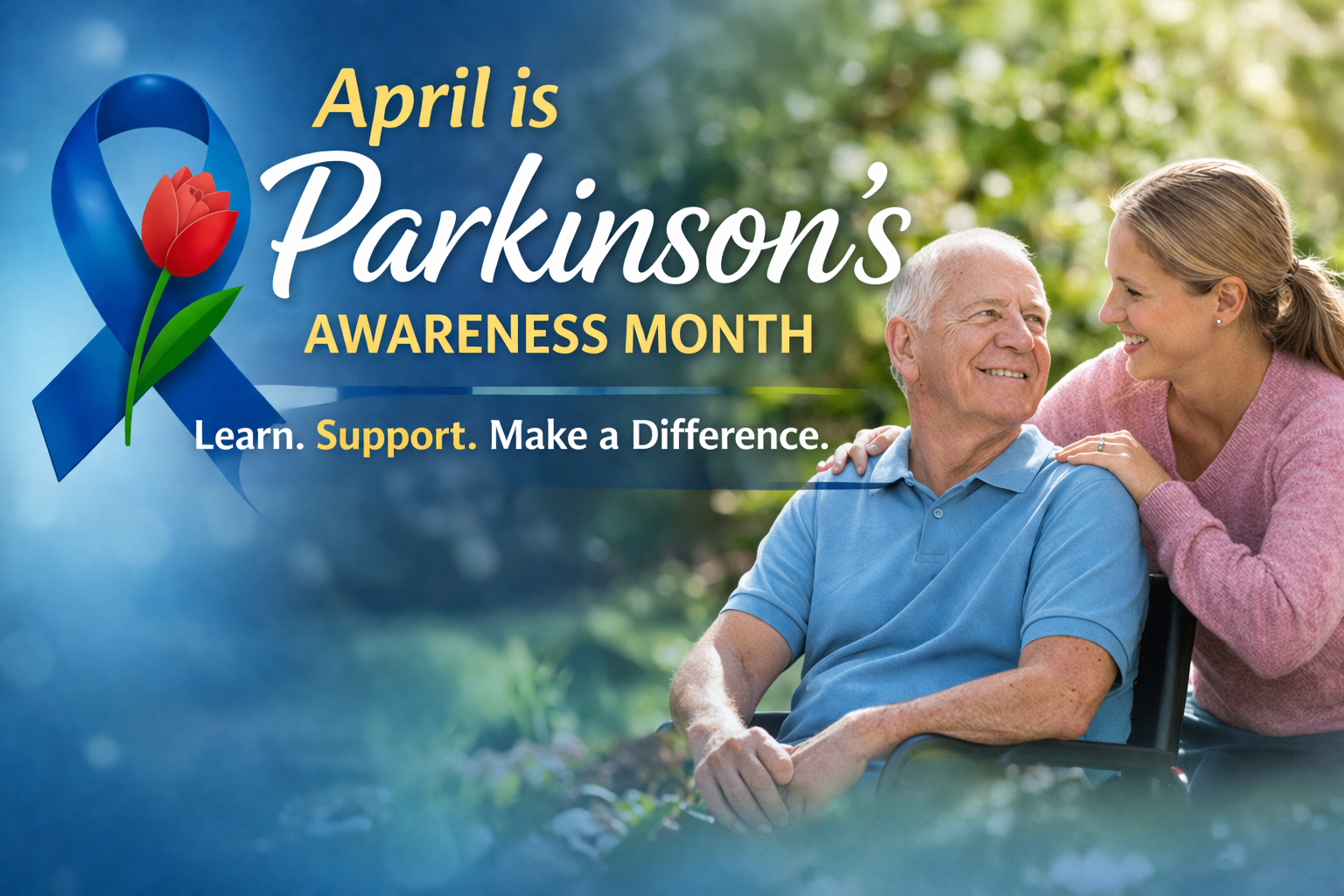
Parkinson's Awareness Month: Why It Matters
April is Parkinson’s Awareness Month—a time to learn more about this condition and support the millions of individuals and families it affects. Discover simple ways to raise awareness, show support, and make a meaningful difference…

Treating Sleep Apnea May Lower Parkinson’s Risk
This article highlights a new study that found that untreated obstructive sleep apnea (OSA) may increase the risk of developing Parkinson’s disease. It discusses:
Heart Health Awareness Month: Simple steps to a stronger heart
Matthew Landry, assistant professor of population health and disease prevention, walks us through the American Health Association’s Life’s Essential 8 to help lower your risk of cardiovascular disease.