
Ask These Ten Questions to Save Money on Prescriptions
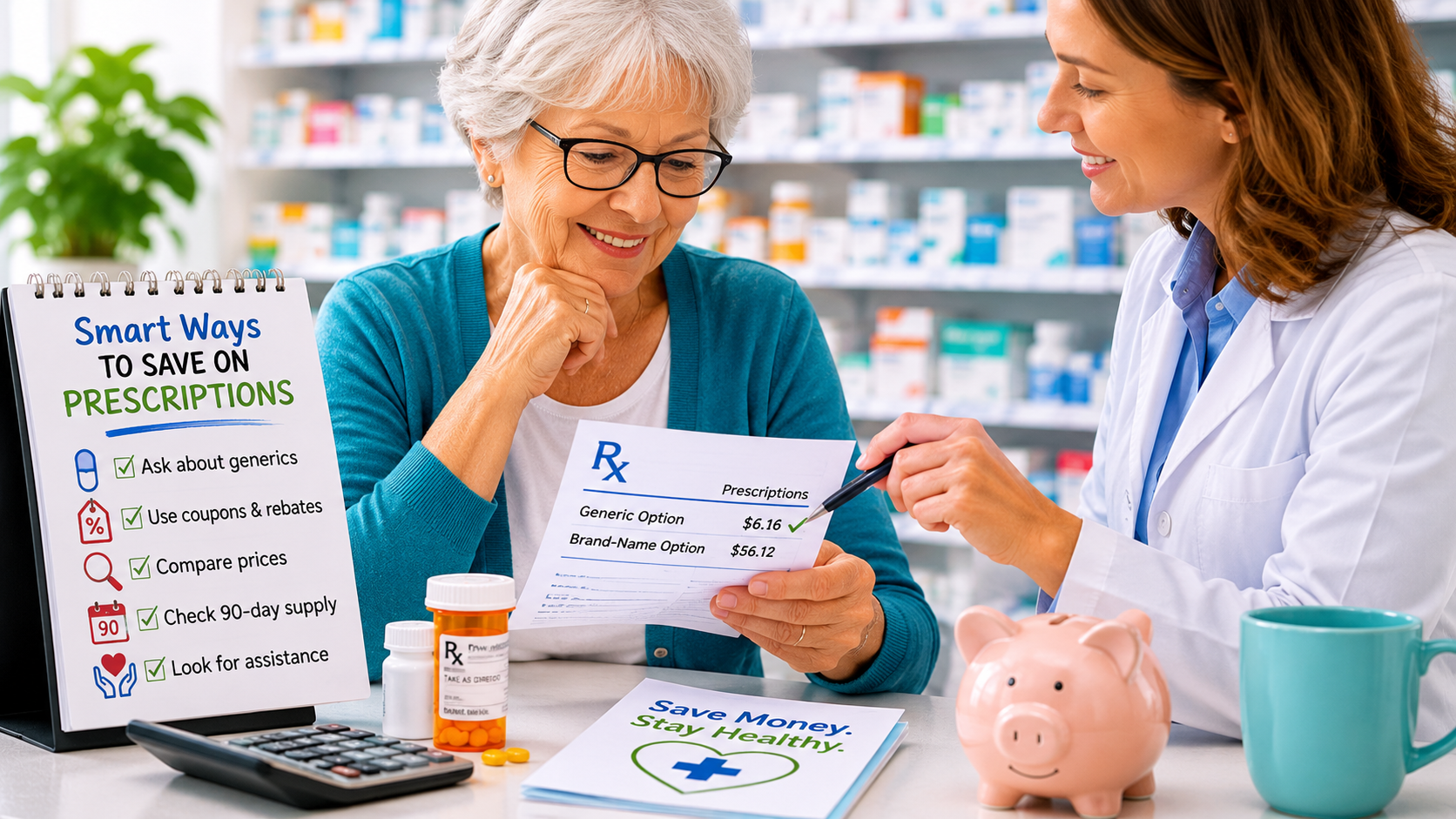
Asking the right questions could help you shrink your next prescription bill.
The cost of medication seems to keep rising, but there are small actions consumers can take to nudge those prescription costs in a downward direction. Before you fill your next script, ask yourself these ten questions.
1. Am I getting the generic version of the drug? If not, could I request it? According to a 2022 report by the Association for Accessible Medicines, generic drugs fill 91% of U.S. prescriptions, yet they only account for 18.2% of spending on prescription drugs. In other words, the vast majority of dollars that Americans spend filling prescriptions, they spend on brand-name drugs. The average brand-name co-pay is $56.12, while the average generic co-pay is $6.16, and generic co-pays are under $20 about 93% of the time. So, ask your doctor this question to make sure you’re not inadvertently paying way more than necessary for the formulation you need.
In almost every instance, the generic form of a drug will meet a patient’s needs the same way the name brand will. That’s because the generic drug needs to be bioequivalent to its counterpart in order to gain approval from the FDA. When talking to your doctor, consider asking about these two factors that may tilt the decision in favor of a name brand drug, and away from savings, for health reasons:
For certain blood thinners, cancer drugs, and seizure drugs, even a very small alteration in ingredient quantities could cause side effects or lessen the effectiveness of the drug.
Those with certain allergies may need to choose name brand medications in some instances.
2. If I need or want the brand-name drug, does the manufacturer offer coupons or rebates? To help patients afford brand-name prices, the drug company will often provide rebates. Check their website or call to ask what discounts they offer. Your doctor may also be able to provide free samples, sometimes saving you a month’s co-pay.
3. Do I qualify for a manufacturer’s Prescription Assistance Program? Many drug manufacturers also offer free or reduced medication to people who meet specific income eligibility criteria. Websites like NeedyMeds and RxAssist provide search tools to find which of your prescriptions might qualify for coverage.
4. Would a 90-day supply have a lower per-pill cost? Check your co-pay for different amounts of prescription and compare. Your up-front costs may be more, but in the end, you could end up paying less per pill, or per day.
5. Is there a coupon for my prescription on GoodRx, SingleCare, or another app? The beauty of these savings platforms is that they’re available to everyone, regardless of insurance status. GoodRx, SingleCare, and other savings apps are not insurance, but they can help you save money with valuable coupons for prescription drugs. GoodRx and SingleCare are free to use; GoodRx also offers a paid version. They are a form of payment, so they can’t be combined with insurance–for that reason, they come in handy for uninsured people, and for insured people who haven’t yet met their deductible or who need a medication their insurance doesn’t cover. Keep in mind that GoodRx prescription purchases won’t count toward the $2,100 annual Medicare cap.
6. What discounts can my pharmacy offer? Some pharmacies like Costco and Publix offer their own discount cards, similar to GoodRx or SingleCare. It’s always worth asking how your local pharmacy might be able to help you save. And, for extra savings, keep in mind that when flu season rolls around again, some supermarkets will give you a discount on your grocery haul when you get your flu or COVID shot at their in-store pharmacy.
7. Does my pharmacy or insurance provider deliver? Looking at the big picture, you can save time and gas money by skipping the regular pharmacy trips, if you can get prescriptions delivered. Providers like Kaiser Permanente, United Healthcare, and others offer free delivery for most prescriptions.
8. Does my insurance require me to use in-network pharmacies? Some providers, including Medicare Part D, will offer lower co-pays on prescriptions filled at their in-network pharmacies. If you’re not sure whether that’s the case for your provider, it’s definitely worth checking.
9. Am I eligible for Medicare Part D Extra Help? For people who meet federal income guidelines, the Medicare Extra Help program can lower copays and deductibles. For help navigating the application process, State Health Insurance Assistance Programs (SHIP) offer free guidance.
10. Could I fill my pet’s prescription at my pharmacy for less? In comparison with the vet’s office, human pharmacies might be able to fill your pet’s prescription at a lower cost. Ask your vet for a written prescription to be able to compare prices. GoodRx and other coupon apps might be able to help you out with pet meds, too!
https://blog.csa.us/2026/05/money.html
Additional Sources
https://www.uhc.com/news-articles/benefits-and-coverage/9-ways-to-save-on-prescriptions
https://www.211.org/about-usblog/7-easy-ways-save-prescriptions-today
https://smartasset.com/personal-finance/singlecare-vs-goodrx
This article is not intended to be a substitute for professional financial advice from a qualified financial advisor.
Image from ChatGPT