
Unpacking the Hype Around Two Supplements for Healthy Aging
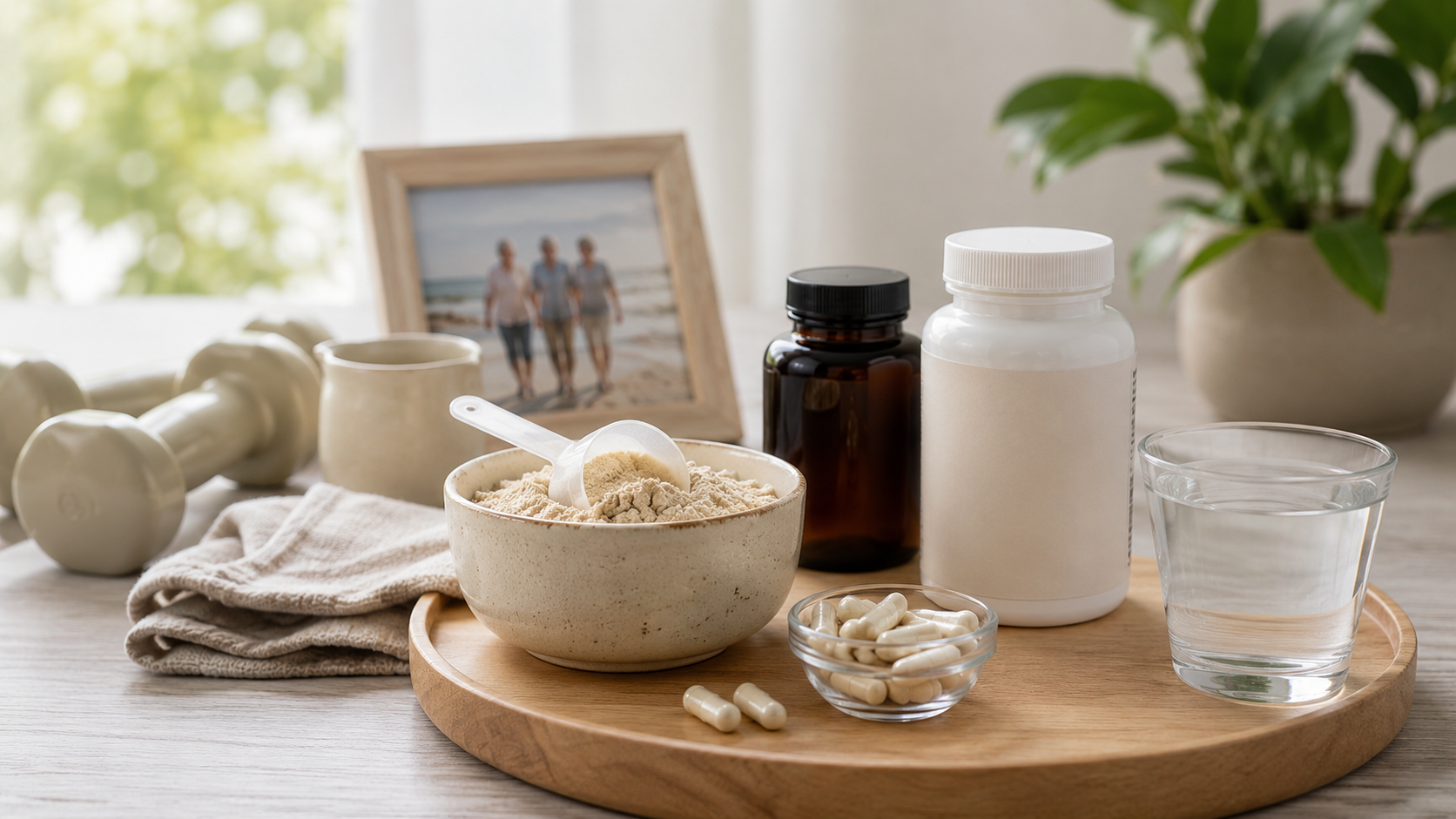
Fatty15 and colostrum, popular dietary supplements, claim to "slow and reverse" signs of aging. What's behind the hype?
Nature’s first food, liquid gold…these are some of the marketing terms for colostrum, a natural supplement that’s getting plenty of press for its purported health benefits. Similarly, you may have seen a lot of commercials lately for Fatty15, another supplement containing a purified fatty acid. Both trending supplements claim to support healthy aging; sometimes they’re even touted as “anti-aging,” a term that’s been widely characterized as ageist.
To give away the ending: there’s some evidence behind the claims made by producers of both colostrum and Fatty15, but not enough to recommend them, according to dieticians. Before taking out your credit card to pay a hefty price for either supplement, consider whether you really want to buy the “anti-aging” messages behind these products.
Bovine Colostrum
In the first 24 to 72 hours after birth, mammals, including humans, produce a special nutrient-dense breast milk called colostrum. Bovine colostrum, derived from cows, is processed into a powder and sold in pill or powdered form. A few months’ supply can cost upwards of $120.
“A lot of people, especially on social media, are saying bovine colostrum gives them healthy hair, skin and nails, claiming it has a fountain of youth quality to it,” registered dietitian Beth Czerwony, RD, LD told Cleveland Clinic. “There are no studies that support this claim.”
Colostrum may have other benefits. It is touted for its anti-inflammatory benefits for gut health, the immune system, and muscle development. But for each recommended usage, the peer-reviewed evidence isn’t there, according to the Center for Science in the Public Interest (CSPI): “Most studies on bovine colostrum use doses far higher than what you’d get from a supplement and are largely funded by supplement makers.”
According to dietitian Lindsey Wohlford, “Further studies are needed, and more robust data collected, before a clear recommendation can be made on usage,” and until that happens, she doesn’t recommend using either a colostrum pill or powder. Colostrum supplements are not FDA-approved, and people with dairy sensitivities should not partake.
Fatty15
While colostrum is a whole dairy product, Fatty15 is a supplement containing pentadecanoic acid, a fatty acid found in dairy fat. Also known as C15:0 and marketed as “your healthy aging supplement,” Fatty15 costs about $50 for a month’s supply.
According to the company’s website, Fatty15 strengthens cell walls and serves as “an armour for our cells to keep them healthy and protected.” Higher levels of odd-chain saturated fatty acids like C15:0 have been associated, according to the company’s website, with benefits including healthy metabolism, red blood cell health, liver and gut health, and balanced immunity. Like omega-3s, another essential fatty acid, C15:0 is not produced in the human body–to get it, people need to take supplements.
While one study has found that C15:0 lowered inflammation and helped regulate sugar metabolism in mice, claims about cellular health benefits to humans are way ahead of the research, according to CSPI. They conclude: “Most of the claims about Fatty15’s potential health benefits come from studies conducted by the company’s co-founder,” and “no randomized trials [involving Fatty15] have ever looked at markers of longevity,” despite the supplement’s tagline: “Healthy Aging for All.”
Of course, diet and nutrition are essential to healthy aging–as are exercise, social connection, healthy sleep, and economic stability. One thing that doesn’t help anyone live a long, healthy life? Anti-aging messaging. In fact, positive views about aging predict longevity. For truly healthy aging, rather than shell out for a supplement, you’re better off making a good meal with some friends.
Always talk with your doctor about which supplements are right for you based on your personal health situation.
Society of Certified Senior Advisors: Unpacking the Hype Around Two Supplements for Healthy Aging
Image from ChatGPT