
Dancing to a Sharper Mind: How Movement Boosts Cognitive Function
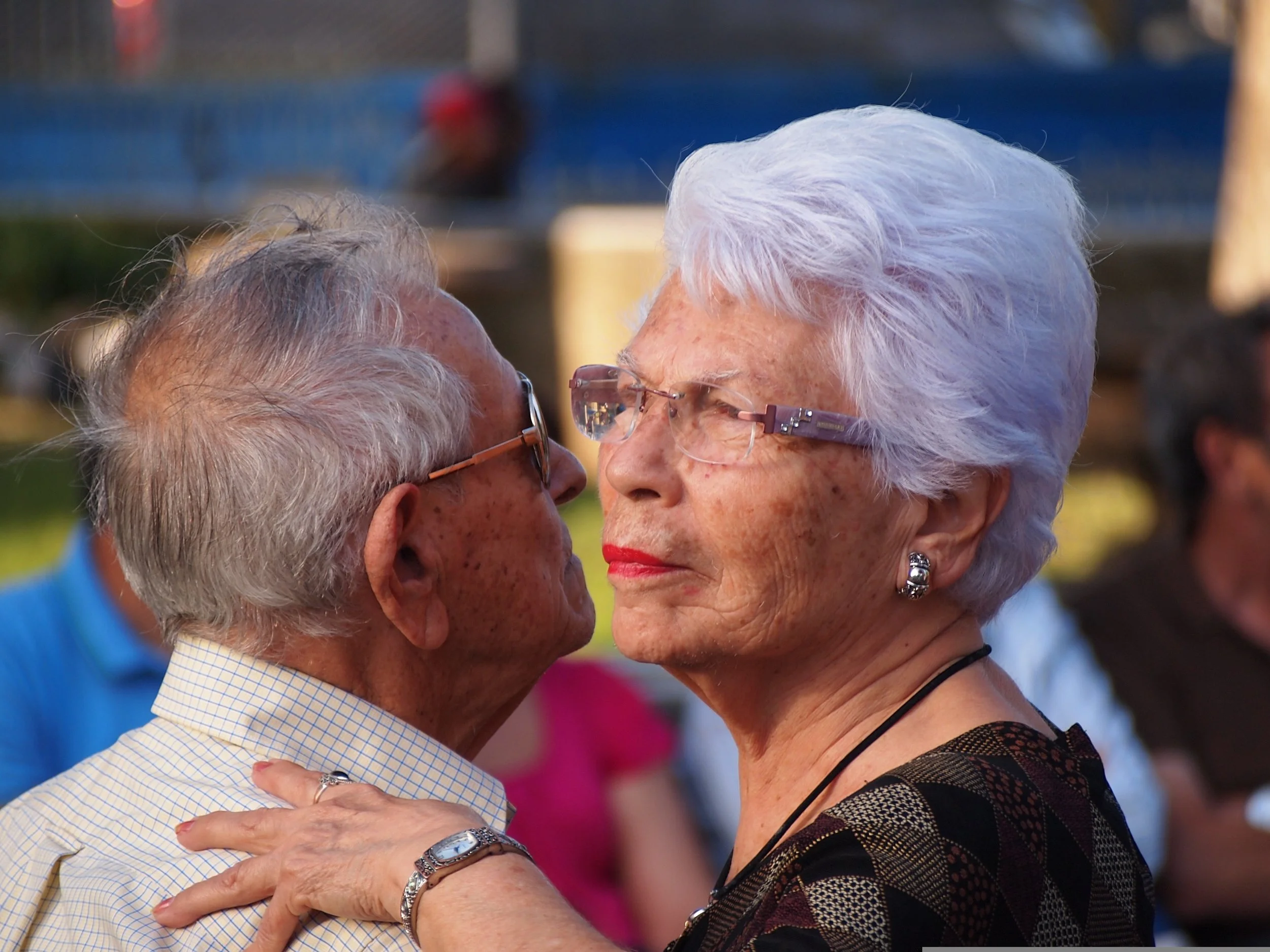
For years, people have appreciated dancing for its physical, social, and emotional benefits. But did you know that dancing can also enhance cognitive abilities? Studies are showing that engaging in regular dance could sharpen the mind, improve memory, and even slow age-related cognitive decline.
1. Dance and NeuroplasticityThe most fascinating effect of dancing is on neuroplasticity—the brain’s ability to adapt, reorganize, and form new neural connections. When we dance, our brains process complex movements, timing, rhythm, and spatial awareness. This combination has been shown to create new neural pathways, which, according to researchers, supports faster thinking, better problem-solving, and enhanced memory skills.
A 2003 study published in the New England Journal of Medicine found that out of a range of physical activities, only dance was associated with a reduced risk of dementia. The study’s authors suggested that the social, mental, and physical demands of dance may play a role in boosting cognitive resilience and maintaining memory into older age.
2. Dancing, Decision-Making, and MultitaskingThe steps, patterns, and coordination involved in dancing require fast decision-making and multitasking. When learning a new dance routine, for example, we’re not only remembering the steps but are also processing the beat, responding to a partner, and adjusting our body’s positioning. This active multitasking engages the brain in ways that improve mental flexibility, a skill linked to greater intelligence and problem-solving abilities.
In fact, research in neuroscience reveals that this need to make quick decisions during dance movements can heighten brain processing speed and improve our ability to adapt to new information, much like a workout for the mind.
3. Social Dance and Emotional IntelligenceDancing with a partner or in a group can also enhance emotional intelligence by fostering empathy and non-verbal communication. For example, partner dances like tango or salsa demand a close connection, requiring both partners to communicate through movement. This sensitivity to another’s rhythm, cues, and intentions builds skills in social awareness and emotional perception—qualities that improve interpersonal interactions and build empathy.
A study from the University of Illinois highlighted the social benefits of dance as a means to enhance social cognition. People who danced in a social setting were found to have improved emotional processing, a quality directly linked to intelligence.
4. Memory and Motor SkillsResearch shows that dancing supports the brain’s memory and motor centers. Because dance often involves repeating sequences of movements, it activates the hippocampus, a key brain region responsible for memory. Repetition and practice in dance, whether memorizing choreography or mastering a new style, engage and strengthen this region, leading to improvements in both short- and long-term memory.
In one study by the Albert Einstein College of Medicine, older adults who danced regularly demonstrated better memory recall and sharper motor skills compared to those who engaged in other forms of exercise. This evidence suggests that dance can help maintain a more youthful brain, preventing the onset of age-related cognitive decline.
5. Reducing Stress and Improving FocusBeyond brain structure, dancing can have a positive impact on mental clarity. Physical activity, including dance, is known to release endorphins, which reduce stress and improve mood. By reducing stress levels, dance allows the brain to focus better and process information more efficiently. Harvard Medical School researchers have found that reducing stress can even improve memory performance by lowering levels of the stress hormone cortisol, which can interfere with memory and learning.
https://www.pcla.org/blog/parkinsons-awareness-month
By The Ashokan Center On December 10, 2024 (Music, News)
Image by Maria Francisca Mayorga from Pixabay